About
Christopher Payne
Arboriculture consultant
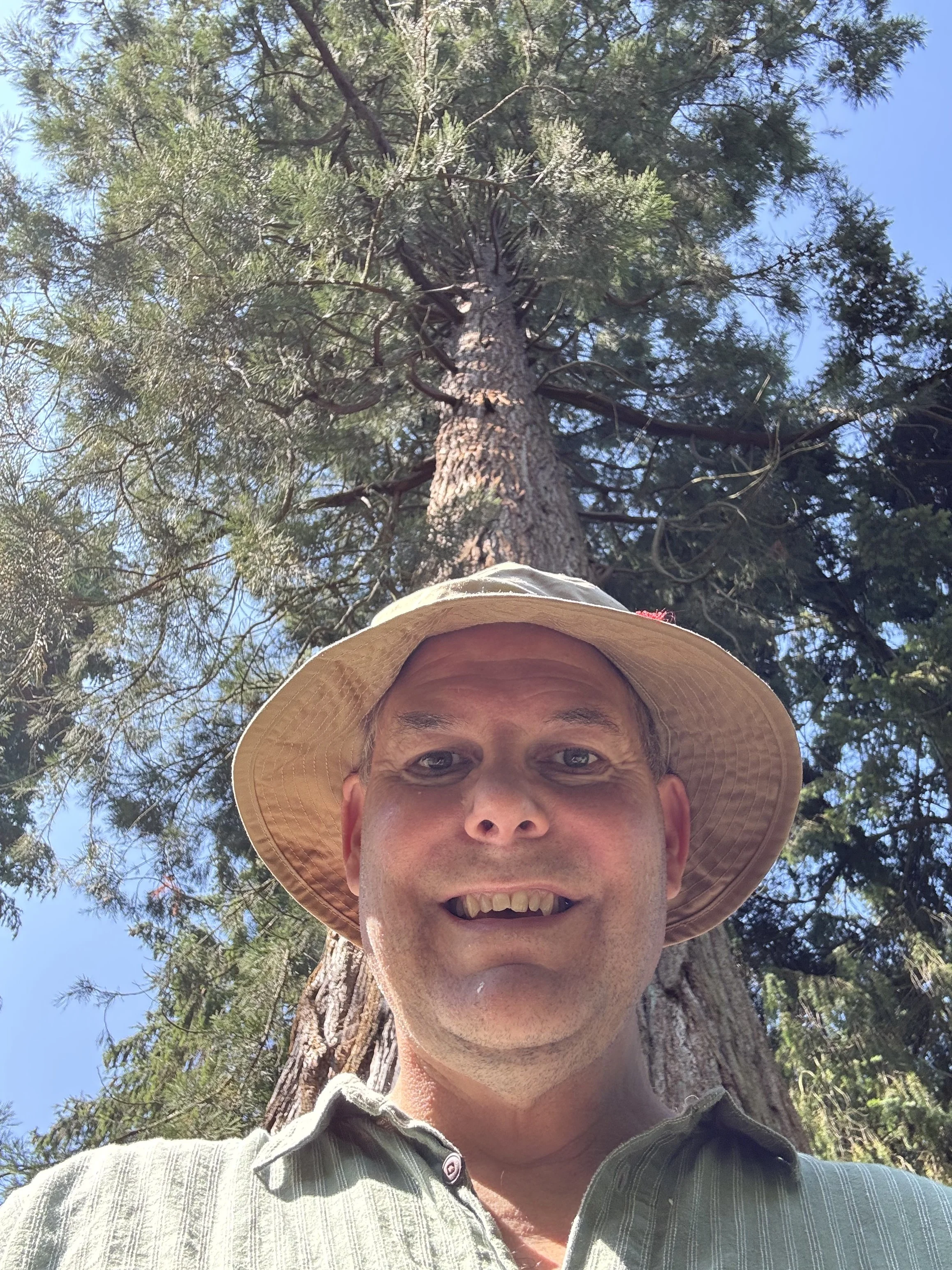
I provide independent arboricultural advice for planning, development and protected tree matters.
My work is deliberately practical. I aim to identify the issues that genuinely matter, explain them clearly and produce information that architects, planning consultants, developers and local planning authorities can actually use.
I have worked independently as an arboriculture consultant for 20 years and have also spent 9 years working within local authority trees and landscape functions associated with development management and protected trees management.
The combination gives me experience of arboricultural planning work and dealing with problems associated with protected trees from both sides of the process.
Experience on both sides of planning
My independent consultancy work involves preparing arboricultural information for clients seeking to develop land, alter buildings or manage protected trees.
My local-authority work involves assessing many of the same types of proposals from the decision-making side of the planning process.
That experience has given me a clear understanding of what makes arboricultural information useful.
A report needs to answer the questions raised by the site and proposal. Drawings need to be understandable. Recommendations need to be realistic. And where a development-tree relationship is difficult, the reasoning needs to withstand proper professional scrutiny.
My local-authority experience informs that understanding. It does not provide clients with special access or influence over planning decisions.
A practical rather than formulaic approach
I do not believe every site needs the same report.
Some projects are straightforward and should remain straightforward.
Others involve mature trees, constrained layouts, unusual construction relationships, protected trees or circumstances that require significantly more analysis.
The level of work should reflect the actual problem.
My approach is therefore to understand the site first, identify the real arboricultural constraints and then prepare the information needed to deal with them.
That may mean a relatively concise BS 5837 package for a house extension, or a detailed site-specific report where the arboricultural issues are substantially more complex.
Drawings are part of how I think
A significant part of my consultancy work is presented through scaled CAD drawings.
I use drawings not simply to illustrate a written report, but to analyse and communicate the relationship between trees, buildings, access, Root Protection Areas, construction activity and tree-protection measures.
For planning and development work, I often find that a clear drawing communicates an important relationship far more effectively than another page of prose.
That is why the quality and clarity of the CAD information is a major part of my finished work.
Independent and deliberately small
I operate as a small specialist consultancy rather than a volume report writing business.
Clients deal directly with me throughout the commission. I inspect the site, consider the arboricultural and planning issues, prepare the drawings and write the report.
There is no handover between surveyor, CAD technician and report writer.
That gives me direct responsibility for the finished work and allows the written assessment and drawings to develop together.
The types of work I want to do
Most of my consultancy work falls into two areas.
The first is planning and development work, particularly BS 5837 tree surveys, arboricultural impact assessments, Tree Protection Plans and Arboricultural Method Statements.
The second is site-specific advice involving protected trees or other difficult relationships between trees, buildings, hard surfaces and the reasonable use of land.
I am equally comfortable with a straightforward residential commission or a more complicated project requiring detailed analysis. What matters is that there is a genuine arboricultural problem to solve.
Clear advice, including when the answer is no
A consultant is not useful if the answer is predetermined before the tree has been inspected.
Where a proposal is arboriculturally reasonable, I will explain why and provide the evidence needed to support it.
Where I think an approach is unlikely to be defensible, I will say so and look for a more realistic solution.
My role is to provide professional judgement, not simply to produce paperwork supporting whatever outcome was requested.
Need arboricultural advice?
If you’re an architect, planning consultant, developer or property owner dealing with trees as part of a project, send me some basic information about the site and proposal.
Plans, photographs and planning references are useful where available.
I can then tell you whether I am likely to be able to help and what level of arboricultural work may be appropriate.